

Branding & logo design agency
What the work includes
-
Logo design
A logo or wordmark as a project of its own, when the company needs a mark before it needs a whole system.
-
Visual identity
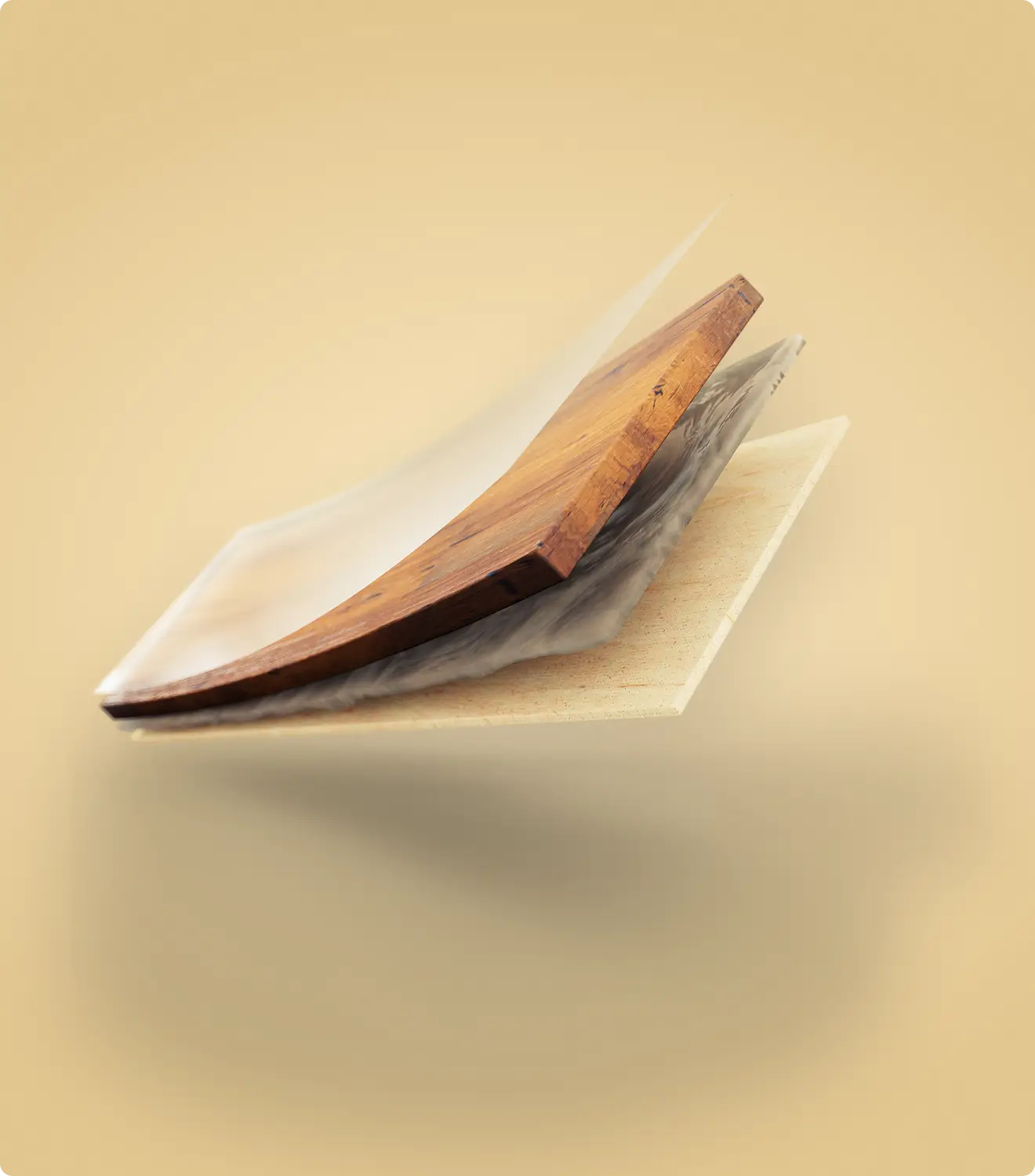
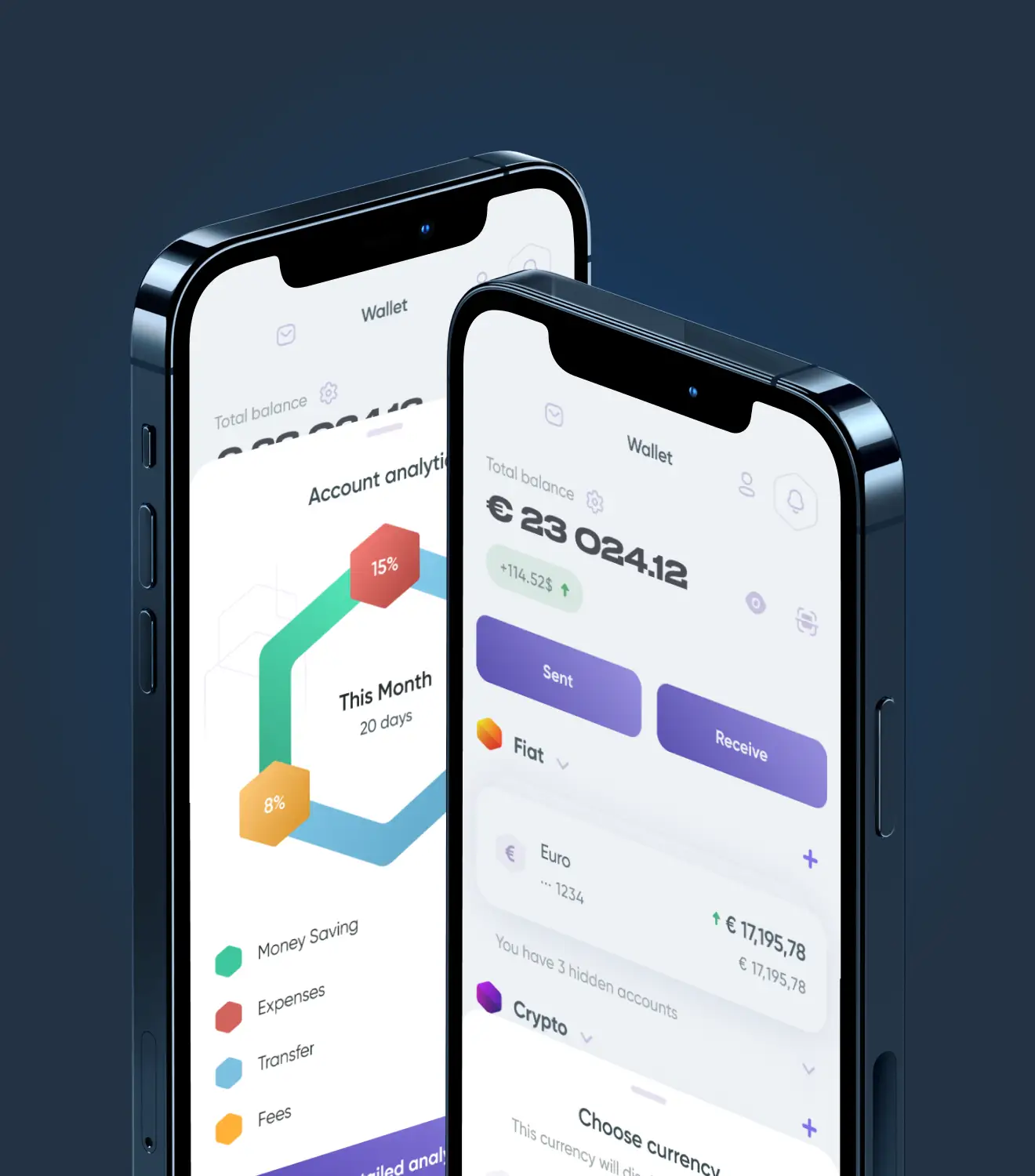
Colours, typefaces, icons and the graphic language around the logo. Banxe is built on hexagons, Levens on an oak leaf in deep teal with line icons.
-
Brand guidelines
The rules written down, so the next designer extends the brand instead of guessing at it. Banxe has its system in a brandbook.
-
Rebranding
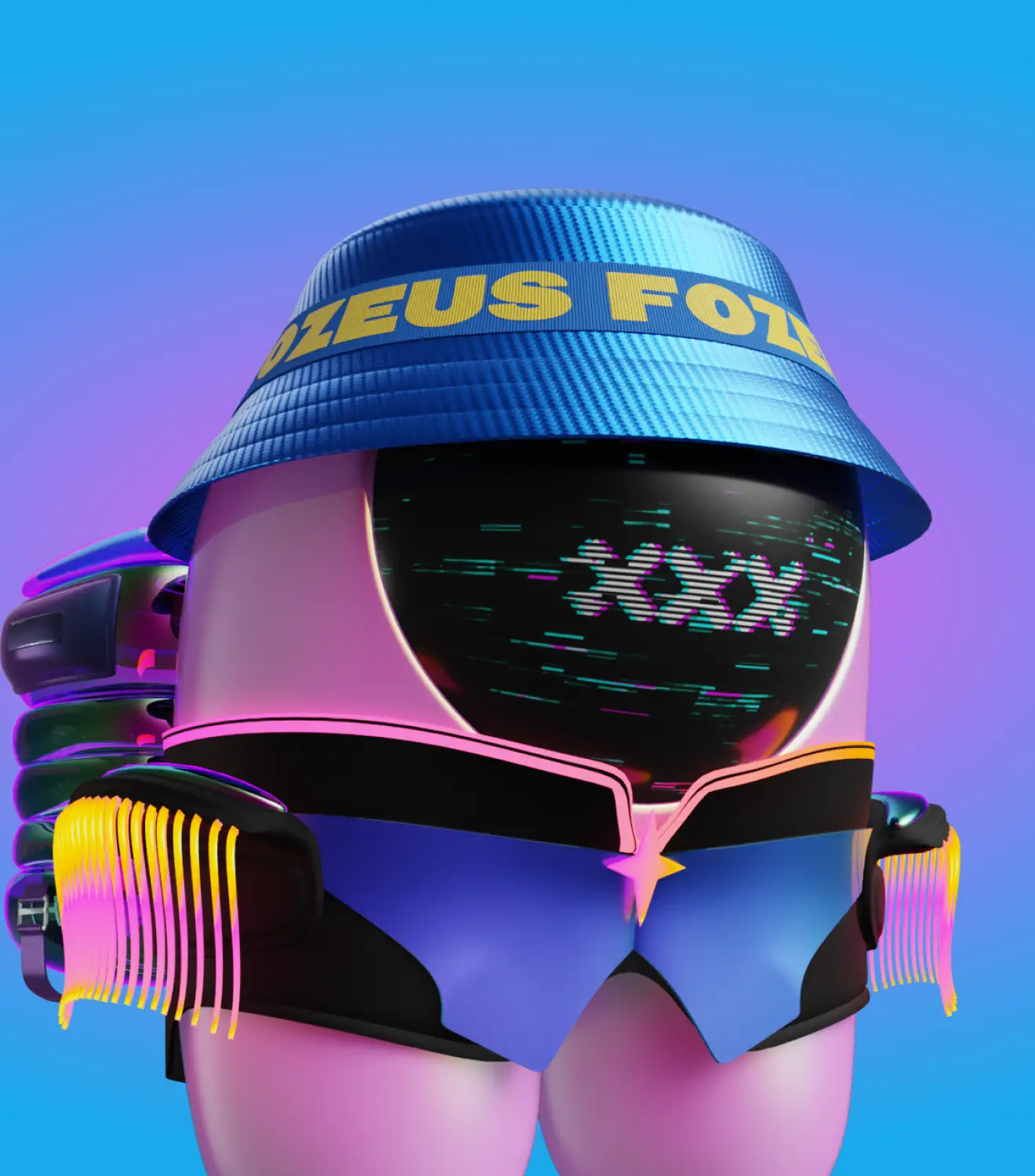
A refresh of a brand people already know, carried all the way into the product, as in Fozeus.
-
The brand in use
The identity applied to the website, the app, social posts and presentations, so they read as one company. Banxe shows it across all of them.
-
Packaging
Packaging when the product is physical, as for the dairy ingredients supplier UkrCapital Trade.
How a branding project runs
-
Idea
(what the brand says)
Who the company talks to and what it has to stand for, agreed in words before the first sketch.
-
System
(logo, colour, type)
The mark and the system around it, shown on real layouts rather than on an empty page.
-
Rules
(brandbook and files)
Guidelines and source files, so the brand holds together after we hand it over.
Who we design brands for
-
Fintech
Financial products that have to look trustworthy from the first screen: the Banxe identity and brandbook. More on fintech design.
-
Crypto and web3
Tokens, protocols and web3 apps: the Fozeus brand refresh. More on web3 and crypto design.
-
Makers and consumer brands
A parquet maker, Levens, and a dairy ingredients supplier with its packaging, UkrCapital Trade.
Brand Identity: questions and answers
What is included in brand identity work at thelegacy?
In the Banxe and Levens cases: the logo or wordmark, a colour palette with rules for how much of each colour to use, typefaces for headings and text, icons, and the brand applied to the website, app screens, social media posts and presentations.
Which case studies show brand identity?
Banxe, a hexagon-based system for a platform that joins fiat and crypto, and Levens, a parquet maker with an oak-leaf wordmark in deep teal. Fozeus shows a brand refresh carried into a SocialFi app, and the UkrCapital Trade case adds kraft packaging built on the dotted globe from its logo.
Do you write brand guidelines?
Yes. The Banxe guidelines give five product hexagons their own gradients, set Druk Wide for headings and numbers and Gilroy for content, and fix a colour ratio that gives graphite and lavender 70 to 80 percent of a layout.
Does the identity carry into the product?
In both cases it does: the Banxe hexagons become the app tab bar, the card icons and the analytics ring, and the Levens line icons are drawn in the same thin line as the laying-pattern pictograms in its catalog.
Do you design a logo on its own?
Yes. A logo or wordmark can be a project of its own, without the full identity around it. If the company needs more later, the identity grows from the same mark.
Can you rebrand an existing company?
Yes. A rebrand keeps what customers already recognise and changes what holds the brand back. Fozeus is a brand refresh carried into the product.
Brand identity at thelegacy is the logo or wordmark, colours, typefaces and icons, plus the rules that carry them into a website, an app, social posts and presentations. Two published case studies show it in full: Banxe, a hexagon-based system written down in brand guidelines, and Levens, an oak-leaf wordmark in deep teal with line icons on wood. Fozeus is a brand refresh carried into the product, and UkrCapital Trade adds packaging design.
Related reading: Rebranding: when a company needs it and how to do it without losing customers, Fintech UX design: 9 patterns that make people trust a money app, Free 3D Crypto Icons: 8 Coins in 7 Views, Transparent PNG.